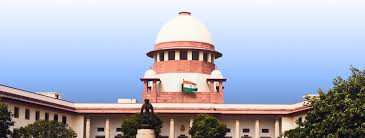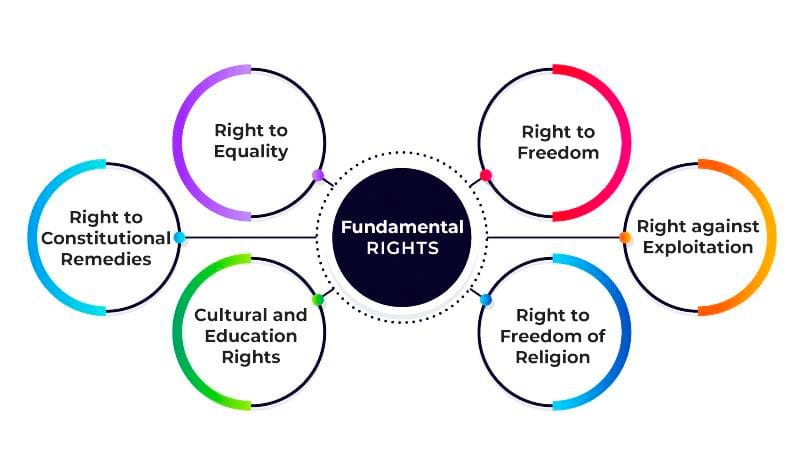
The Supreme Court has formally recognized the "Right to Walk" on safe, properly maintained footpaths as a Fundamental Right under Part III of the Constitution, giving pedestrians primary priority over motorized traffic.
This topic is trending across the nation following a historic judgment delivered by the Supreme Court. The apex court has elevated a basic, everyday human activity into a protected constitutional guarantee, ruling that public spaces must no longer focus exclusively on motorized vehicles while pushing pedestrians aside.
Legal Issue
- Whether the constitutional right to move freely safeguards a pedestrian's right to walk safely on footpaths.
- Whether public, municipal, and local authorities hold a mandatory legal and constitutional duty to provide, construct, and maintain safe pedestrian infrastructure.
The journey to this historic judgment began with a heartbreaking incident involving a 5-year-old child who was walking to school with his father. A heavy tanker hit the child, tragically resulting in his death. Seeking justice, the child's father filed a compensation claim of ₹25 lakh before the Motor Accident Claims Tribunal (MACT). However, the Tribunal awarded only ₹7.82 lakh with 6% interest. Later, the High Court reduced the compensation further to a mere ₹4.70 lakh.
The matter eventually escalated to the Supreme Court. The Bench set aside the High Court's restrictive order, increased the compensation amount, and directed that the father be paid ₹11,44,628 within two months.
While deciding the compensation issue, the Court also examined a much larger constitutional question: Do citizens have a constitutional right to walk safely on footpaths? The answer given by the Court was a clear and resounding yes.
The Court observed that for decades, urban planning in India has focused mainly on roads for vehicles. As cars, motorcycles, buses, and other vehicles became common, pedestrians gradually lost space on roads, and society became obsessed with motorized transport. Walkers are now often treated as a nuisance by drivers, and vehicles regularly encroach upon footpaths or endanger pedestrians.
Decoupling pedestrian rights from being completely ignored, the Supreme Court declared that the right to walk is not merely the ability to move from one place to another; it explicitly includes the right to access safe, clearly demarcated, and properly maintained footpaths. If a road exists, there must also be a footpath for pedestrians.
Landmark Cases
Supreme Court Directives on Pedestrian Infrastructure: In this landmark case, the Supreme Court established that the recognition of a fundamental right automatically creates a corresponding legal duty upon the state. The Court held that if authorities fail to provide or maintain safe footpaths, citizens can take legal action to seek constitutional remedies, legal remedies, restitution, and compensation. These remedies are separate from and additional to remedies available under the Motor Vehicles Act, 1988.
Importance
This judgment completely flips the traditional transport hierarchy on its head. The right of pedestrians to walk on footpaths is primary and will take priority over the movement of motorized vehicles. For the average citizen, a footpath is no longer an afterthought—it is a guaranteed entitlement. If local bodies fail to maintain walkways or allow encroachments, citizens can now invoke direct legal and constitutional actions.
Exam Snapshot
Constitutional Nexus :
Flows from Article 19(1)(d) (Freedom of movement),
Article 19(1)(a) (Freedom of speech and expression), Article 19(1)(b) (Right to assemble peacefully),
Article 19(1)(c) (Right to form associations),
Article 21 (Right to life and personal liberty).
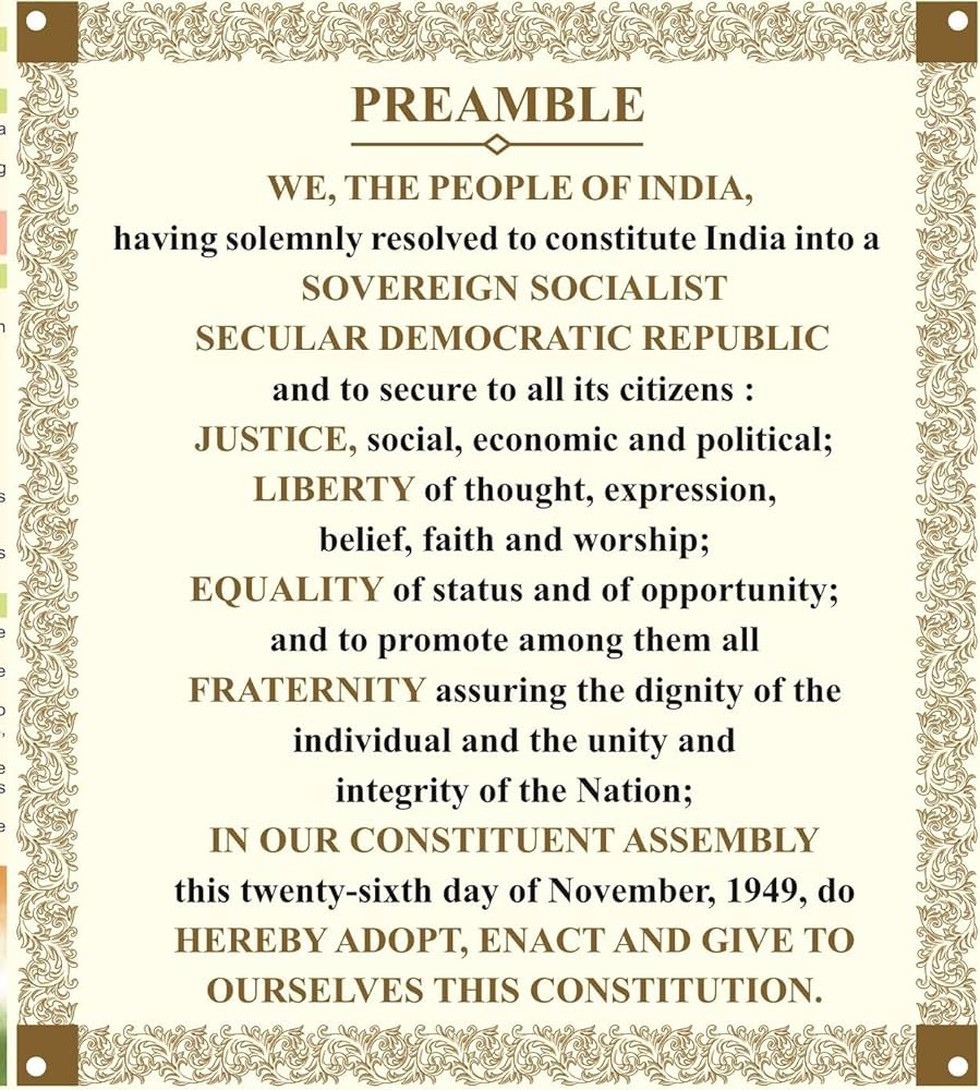
Walking is inseparable from everyday life and therefore deserves constitutional protection under Part III.
Duty Bearers :
The authorities responsible for ensuring this right include Urban Development Authorities, Municipal Corporations, Municipalities, and Panchayats. These bodies must demarcate footpaths, construct pedestrian infrastructure, maintain footpaths, and protect them from encroachments and misuse.
Statutory Recommendations :
The Court noted that India currently has no dedicated legislation protecting this right. It stressed the need for a comprehensive statutory framework to formally recognize pedestrian rights, identify duty-bearing authorities, define government obligations, provide speedy remedies, and establish enforcement mechanisms. It also suggested creating a full-time regulatory body to plan infrastructure, monitor compliance, and protect pedestrian rights across the country.
संवैधानिक सम्मान की ओर कदम: सुप्रीम कोर्ट ने 'चलने के अधिकार' (Right to Walk) को मौलिक अधिकार घोषित किया
सुप्रीम कोर्ट ने सुरक्षित और स्पष्ट रूप से निर्धारित फुटपाथों पर "चलने के अधिकार" को संविधान के भाग III के तहत एक मौलिक अधिकार माना है, जिससे पैदल यात्रियों को वाहनों पर प्राथमिकता मिलेगी।
खबरों में क्यों?
यह विषय इस समय पूरे देश में चर्चा का केंद्र बना हुआ है क्योंकि सुप्रीम कोर्ट ने एक ऐतिहासिक फैसला सुनाया है। शीर्ष अदालत ने एक सामान्य जीवन की गतिविधि को सीधे संवैधानिक सुरक्षा प्रदान की है और कहा है कि सार्वजनिक स्थानों पर अब केवल वाहनों का ध्यान नहीं रखा जा सकता जहाँ पैदल चलने वालों को किनारे धकेल दिया जाए।
कानूनी मुद्दा
- क्या स्वतंत्र रूप से आवागमन का संवैधानिक अधिकार पैदल यात्रियों के फुटपाथ पर सुरक्षित चलने के अधिकार की भी रक्षा करता मुद्द
- क्या सरकारी, नगर निगम और स्थानीय निकाय पैदल यात्रियों के लिए सुरक्षित बुनियादी ढांचा (Infrastructure) प्रदान करने और उसका रखरखाव करने के लिए कानूनी रूप से बाध्य हैं?
इस ऐतिहासिक फैसले की शुरुआत एक बेहद दुखद घटना से हुई थी, जिसमें एक 5 साल का मासूम बच्चा अपने पिता के साथ स्कूल जा रहा था। रास्ते में एक टैंकर ने बच्चे को टक्कर मार दी, जिससे उसकी मौत हो गई। न्याय के लिए बच्चे के पिता ने मोटर एक्सीडेंट क्लेम्स ट्रिब्यूनल (MACT) के सामने ₹25 लाख के मुआवजे का दावा किया। हालांकि, ट्रिब्यूनल ने केवल ₹7.82 लाख (6% ब्याज के साथ) ही मंजूर किए। बाद में, हाई कोर्ट ने इस मुआवजे की राशि को और घटाकर महज ₹4.70 लाख कर दिया।
यह मामला आखिरकार सुप्रीम कोर्ट पहुंचा। सर्वोच्च अदालत की बेंच ने हाई कोर्ट के आदेश को खारिज करते हुए मुआवजे की राशि को बढ़ा दिया और निर्देश दिया कि पिता को दो महीने के भीतर ₹11,44,628 का भुगतान किया जाए।
मु मुआवजे के इस मुद्दे को तय करते समय, कोर्ट ने एक बड़े कानूनी सवाल की भी जांच की: क्या नागरिकों के पास फुटपाथ पर सुरक्षित चलने का एक संवैधानिक अधिकार है? अदालत द्वारा दिया गया उत्तर एक स्पष्ट और जोरदार 'हाँ' था।
कोर्ट ने देखा कि दशकों से भारत में शहरी नियोजन (Urban Planning) मुख्य रूप से गाड़ियों के लिए सड़कों पर केंद्रित रहा है। जैसे-जैसे कार, मोटरसाइकिल, बसें और अन्य वाहन आम होते गए, पैदल चलने वालों ने धीरे-धीरे सड़कों पर अपनी जगह खो दी और समाज केवल वाहनों के प्रति जुनूनी हो गया। पैदल चलने वालों को अब अक्सर ड्राइवरों द्वारा एक रुकावट या न्यूसेंस माना जाता है, और वाहन अक्सर फुटपाथों पर अतिक्रमण करते हैं या पैदल यात्रियों को खतरे में डालते हैं।
पैदल यात्रियों की इस उपेक्षा को समाप्त करते हुए सुप्रीम कोर्ट ने घोषित किया कि चलने का अधिकार केवल एक स्थान से दूसरे स्थान तक जाने की क्षमता नहीं है; इसमें सुरक्षित, स्पष्ट रूप से चिह्नित और उचित रखरखाव वाले फुटपाथों तक पहुँचने का अधिकार शामिल है। यदि कोई सड़क मौजूद है, तो पैदल यात्रियों के लिए फुटपाथ भी होना ही चाहिए।
लैंडमार्क केस
फुटपाथों और पैदल यात्रियों पर सुप्रीम कोर्ट के निर्देश :
इस ऐतिहासिक मामले में सुप्रीम कोर्ट ने स्पष्ट किया कि एक मौलिक अधिकार की मान्यता स्वतः ही प्रशासन पर एक कानूनी कर्तव्य या जिम्मेदारी पैदा करती है। कोर्ट ने कहा कि यदि अधिकारी सुरक्षित फुटपाथ प्रदान करने या बनाए रखने में विफल रहते हैं, तो नागरिक कानूनी कार्रवाई कर सकते हैं और संवैधानिक उपचार, कानूनी उपचार, बहाली (Restitution) और मुआवजे की मांग कर सकते हैं। ये उपचार मोटर वाहन अधिनियम, 1988 के तहत मिलने वाले उपचारों के अतिरिक्त और अलग हैं।
महत्व
यह फैसला सड़कों पर पारंपरिक पदानुक्रम को पूरी तरह से उलट देता है। फुटपाथों पर पैदल चलने वालों का अधिकार प्राथमिक है और यह वाहनों की आवाजाही पर प्राथमिकता लेगा। एक आम नागरिक के लिए अब फुटपाथ कोई विकल्प नहीं, बल्कि एक गारंटीकृत अधिकार है। यदि स्थानीय निकाय फुटपाथ बनाए रखने में विफल रहते हैं या अतिक्रमण होने देते हैं, तो नागरिक अब सीधे कानूनी और संवैधानिक कदम उठा सकते हैं।
परीक्षा के लिए मुख्य बिंदु
संवैधानिक संबंध :
यह मुख्य रूप से अनुच्छेद 19(1)(d) (आवागमन की स्वतंत्रता),
अनुच्छेद 19(1)(a) (वाक और अभिव्यक्ति की स्वतंत्रता),
अनुच्छेद 19(1)(b) (शांतिपूर्वक एकत्र होने का अधिकार),
अनुच्छेद 19(1)(c) (संगठन बनाने का अधिकार) और
अनुच्छेद 21 (जीवन और व्यक्तिगत स्वतंत्रता का अधिकार) के अंतर्गत आता है।
चलना रोजमर्रा के जीवन से अविभाज्य है और इसलिए यह संविधान के भाग III के तहत सुरक्षा का हकदार है।
उत्तरदायी संस्थाएं:
इस अधिकार को सुनिश्चित करने के लिए जिम्मेदार अधिकारियों में शहरी विकास प्राधिकरण, नगर निगम, नगरपालिकाएं और पंचायतें शामिल हैं। इन निकायों को फुटपाथों को चिह्नित करना होगा, पैदल यात्री बुनियादी ढांचे का निर्माण करना होगा, फुटपाथों का रखरखाव करना होगा और उन्हें अतिक्रमण तथा दुरुपयोग से बचाना होगा।
कानूनी सिफारिशें:
कोर्ट ने नोट किया कि भारत में वर्तमान में इस अधिकार की रक्षा के लिए कोई समर्पित कानून नहीं है। कोर्ट ने एक व्यापक वैधानिक ढांचे की आवश्यकता पर बल दिया जो पैदल यात्रियों के अधिकारों को औपचारिक रूप से मान्यता दे, जिम्मेदार अधिकारियों की पहचान करे, सरकार के दायित्वों को परिभाषित करे, त्वरित उपचार प्रदान करे और प्रवर्तन तंत्र स्थापित करे। इसके साथ ही देश भर में बुनियादी ढांचे की योजना बनाने, अनुपालन की निगरानी करने और पैदल यात्रियों के अधिकारों की रक्षा के लिए एक पूर्णकालिक नियामक निकाय (Regulatory Body) बनाने का सुझाव भी दिया।